Strategic Planning Technology Validity Turing Tests Using Artificial Intelligence Understanding
DOI:
https://doi.org/10.31848/jesii.v2i1.3415Abstrak
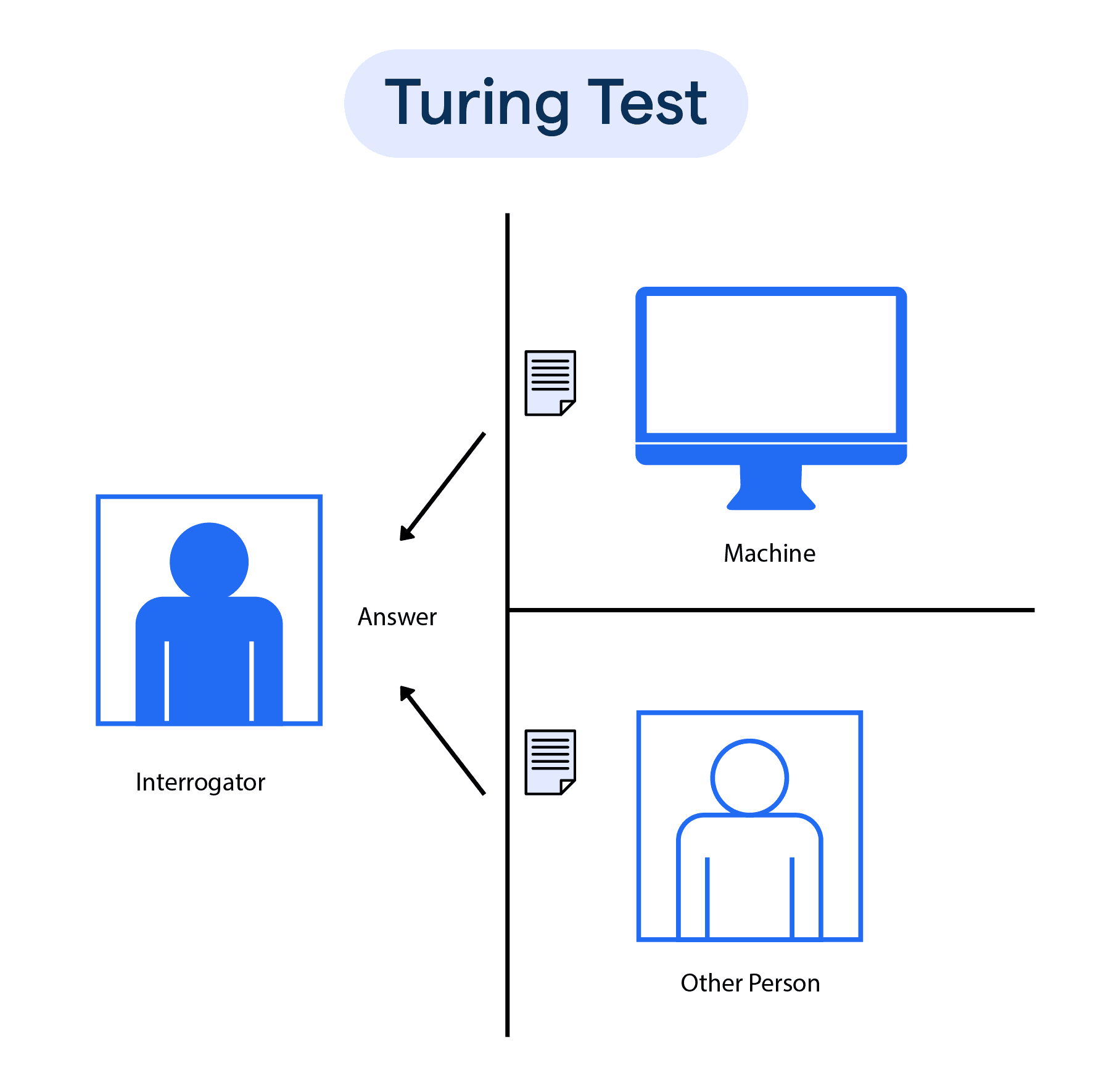
Turing test has been used as an artificial intelligence (AI) countermeasure for decades. This test measures a machine's capacity for intelligent behavior that is comparable to human capacity. However, Turing's trial has come under fire due to its emphasis on linguistic behavior and potential anthropological bias. The primary goal of this study was to determine whether the Turing Test's validity was connected with comprehension and disclosure of artificial intelligence's aim. The Likert scale was utilized for data gathering, statistical analysis using linear regression, and theoretical analysis. Both qualitative and quantitative research approaches will be used in this investigation. Reviews of the literature and conversations with authorities on the Turing Test and artificial intelligence will be used to gather qualitative data. This resulted in significant advancements in our knowledge of the variables influencing the Turing Test's validity, particularly with regard to comprehending and illuminating the function of artificial intelligence. It is anticipated that this research will yield a technical planning method that will help numerous fields and increase the validity of the Turing Test. This strategy will be grounded in the most recent knowledge about the operation of AI.
##submission.downloads##
Diterbitkan
Cara Mengutip
Terbitan
Bagian
Lisensi
Hak Cipta (c) 2024 Wan Fatimah Wan Ahmad, Yogi Saputra

Artikel ini berlisensiCreative Commons Attribution-ShareAlike 4.0 International License.
Authors who publish in JESII: Journal Elektronik Sistem InformasI agree to the following terms:
Authors retain copyright and grant the journal right of first publication with the work simultaneously licensed under a Attribution-ShareAlike 4.0 International (CC BY-SA 4.0) License that allows others to share the work with an acknowledgment of the work's authorship and initial publication in this journal.
Authors are able to enter into separate, additional contractual arrangements for the non-exclusive distribution of the journal's published version of the work (e.g., post it to an institutional repository or publish it in a book), with an acknowledgment of its initial publication in this journal.
Authors are permitted and encouraged to post their work online (e.g., in institutional repositories or on their website) prior to and during the submission process, as it can lead to productive exchanges, as well as earlier and greater citation of published work (See The Effect of Open Access).