Digital Information System Utilization Using the People Process Technology Framework
DOI:
https://doi.org/10.31848/jesii.v3i2.4410Keywords:
Digital Information Systems, Digital Utilization, People Process Technology, Descriptive Analysis, Digital InfrastructureAbstract
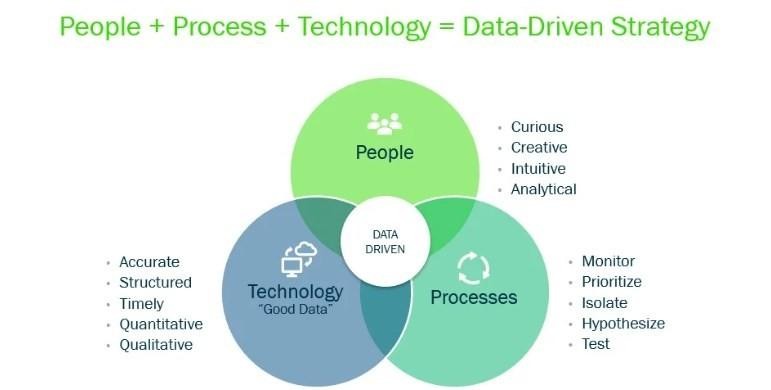
This study examines the utilization of digital information systems in Indonesia from a national perspective using a descriptive quantitative approach and national digital indicators interpreted through the People–Process–Technology framework. The findings indicate that digital information systems in Indonesia demonstrate strong utilization in terms of user participation and technology adoption, particularly through mobile-based access. These results confirm that digital technologies have become an essential part of daily activities and function as mainstream infrastructures at the national level. However, the analysis also reveals that infrastructure readiness and supporting processes have developed at a slower pace compared to user adoption and technological access. This imbalance may limit the effectiveness and consistency of digital information system utilization, despite high levels of access. From a People–Process–Technology perspective, the people and technology dimensions appear relatively strong, while the process dimension represents the primary constraint. Overall, the study concludes that effective utilization of digital information systems requires balanced development across people, process, and technology dimensions to fully maximize the benefits of widespread digital adoption in Indonesia.
References
DataReportal, Digital 2025: Indonesia, Global Digital Report 2025. We Are Social & Meltwater, 2025. [Online]. Available: https://datareportal.com/reports/digital-2025-indonesia
J. M. Stanton, K. R. Stam, P. Mastrangelo, and J. Jolton, “Analysis of end user security behaviors,” Computers & Security, vol. 24, no. 2, pp. 124–133, 2005.
H. J. Watson and B. H. Wixom, “The current state of business intelligence,” Computer, vol. 40, no. 9, pp. 96–99, 2007.
W. J. Orlikowski and C. S. Iacono, “Research commentary: Desperately seeking the ‘IT’ in IT research,” Information Systems Research, vol. 12, no. 2, pp. 121–134, 2001.
L. M. Applegate, R. D. Austin, and F. W. McFarlan, Corporate Information Strategy and Management, 8th ed. New York, NY, USA: McGraw-Hill, 2017.
M. D. Myers, Qualitative Research in Business and Management. London, UK: Sage Publications, 2019.
T. DeLone and E. McLean, “The DeLone and McLean model of information systems success: A ten-year update,” Journal of Management Information Systems, vol. 19, no. 4, pp. 9–30, 2003.
A. Hevner, S. March, J. Park, and S. Ram, “Design science in information systems research,” MIS Quarterly, vol. 28, no. 1, pp. 75–105, 2004.
R. Kling, “Social informatics: Understanding the social aspects of information and communication technologies,” Information Society, vol. 16, no. 3, pp. 217–234, 2000.
Prosci, “The People, Process, Technology (PPT) Framework,” Prosci Research Brief, 2023. [Online]. Available: https://www.prosci.com/blog/people-process-technology
World Bank, World Development Report 2021: Data for Better Lives. Washington, DC, USA: World Bank Publications, 2021.
OECD, Digital Transformation in Indonesia, OECD Digital Economy Papers, Paris, France, 2022.
L. Galliers and D. E. Leidner, Strategic Information Management: Challenges and Strategies in Managing Information Systems, 4th ed. London, UK: Routledge, 2014.
International Telecommunication Union, Measuring Digital Development: Facts and Figures 2023. Geneva, Switzerland: ITU, 2023.
E. Mumford, “The story of socio-technical design: Reflections on its successes, failures and potential,” Information Systems Journal, vol. 16, no. 4, pp. 317–342, 2006.
Downloads
Published
How to Cite
Issue
Section
License
Copyright (c) 2025 Eka Wulansari, Ahsani Takwim

This work is licensed under a Creative Commons Attribution-ShareAlike 4.0 International License.
Authors who publish in JESII: Journal Elektronik Sistem InformasI agree to the following terms:
Authors retain copyright and grant the journal right of first publication with the work simultaneously licensed under a Attribution-ShareAlike 4.0 International (CC BY-SA 4.0) License that allows others to share the work with an acknowledgment of the work's authorship and initial publication in this journal.
Authors are able to enter into separate, additional contractual arrangements for the non-exclusive distribution of the journal's published version of the work (e.g., post it to an institutional repository or publish it in a book), with an acknowledgment of its initial publication in this journal.
Authors are permitted and encouraged to post their work online (e.g., in institutional repositories or on their website) prior to and during the submission process, as it can lead to productive exchanges, as well as earlier and greater citation of published work (See The Effect of Open Access).